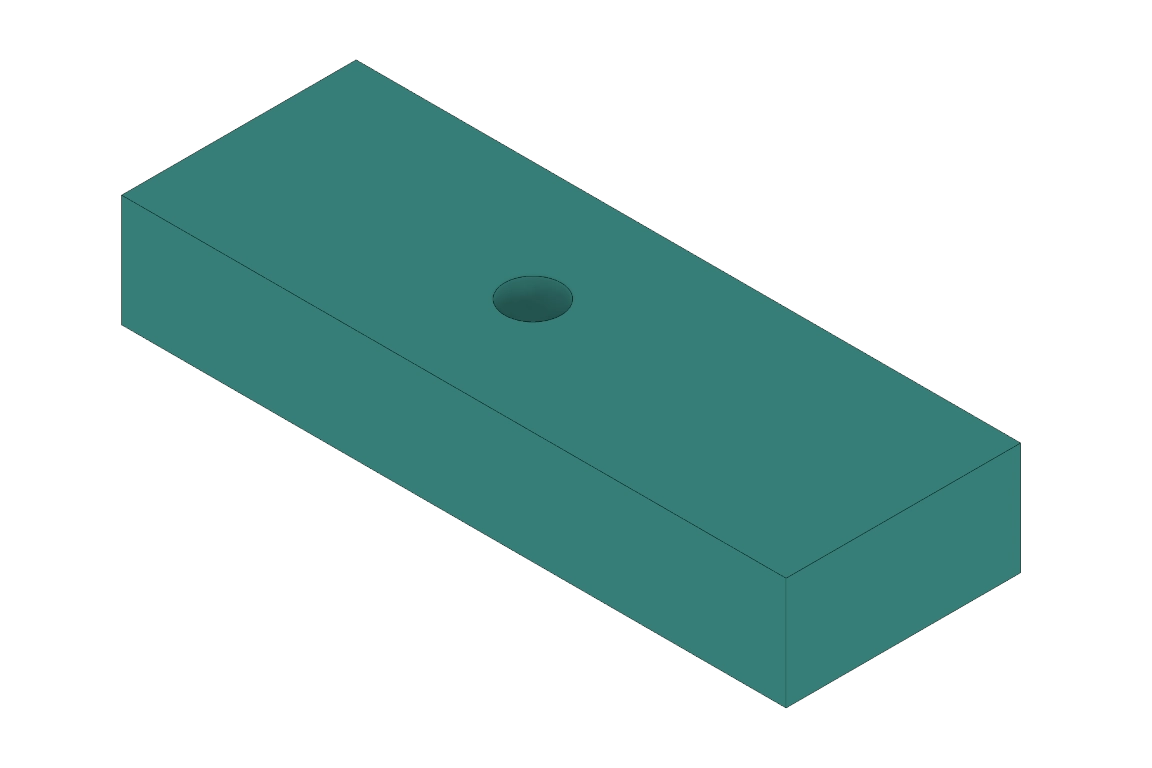
RapAdd MFG Logo

3D Printing Design Guidelines

Comprehensive design specifications for our manufacturing technologies. Follow these to ensure optimal print quality and avoid production issues.

FDM (Fused Deposition Modeling)

Layer-by-layer plastic extrusion technology
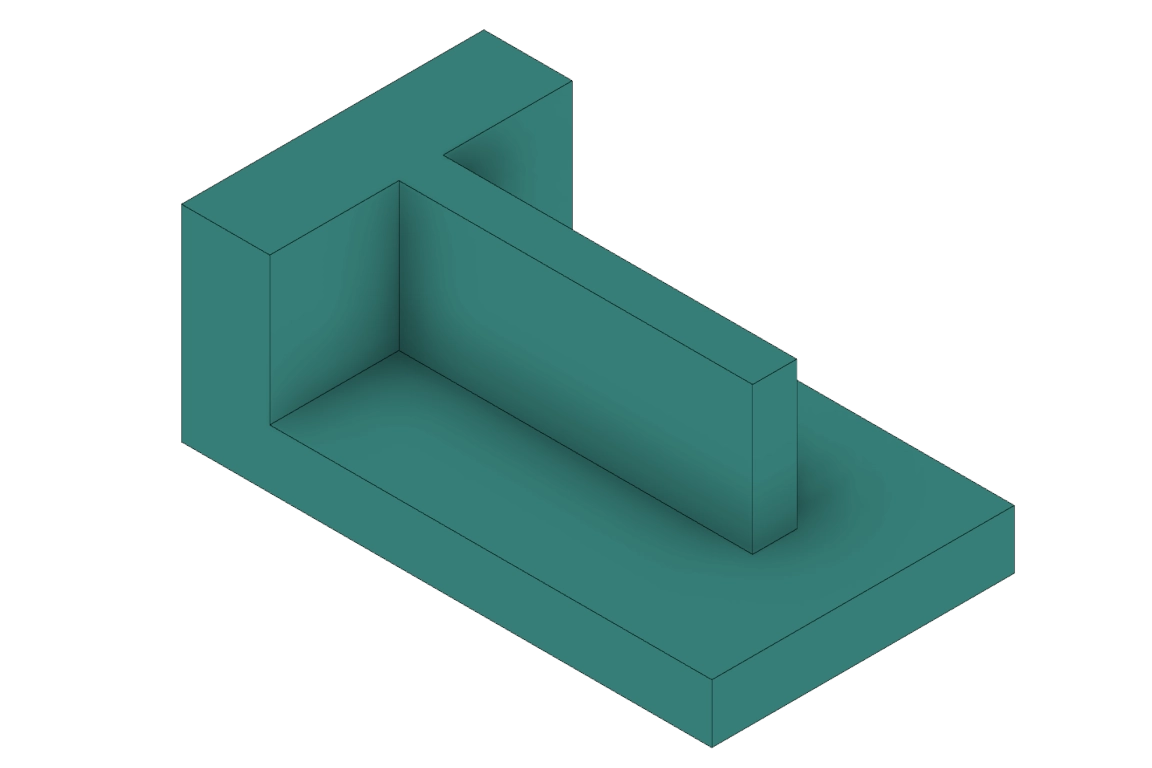
Guideline image for FDM (Fused Deposition Modeling): Min Wall Thickness (Unsupported)

Min Wall Thickness (Unsupported)

1.2 mm

Guideline image for FDM (Fused Deposition Modeling): Min Wall Thickness (Supported)

Min Wall Thickness (Supported)

0.8 mm

Guideline image for FDM (Fused Deposition Modeling): Min Feature Size

Min Feature Size

1.0 mm

Guideline image for FDM (Fused Deposition Modeling): Min Hole Size

Min Hole Size

1.5 mm

Guideline image for FDM (Fused Deposition Modeling): Tolerances

Tolerances

±0.3 mm (±0.15 mm with post-processing)
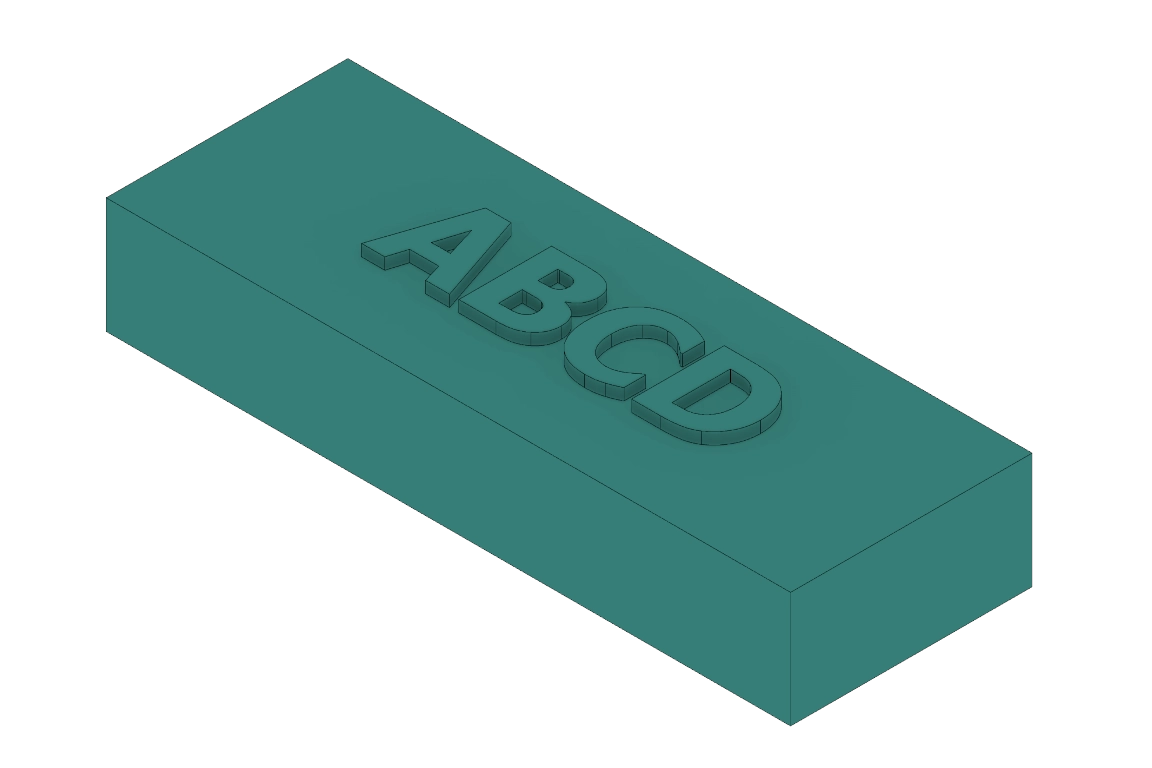
Guideline image for FDM (Fused Deposition Modeling): Min Letter Size

Min Letter Size

2.0 mm height, 0.6 mm depth
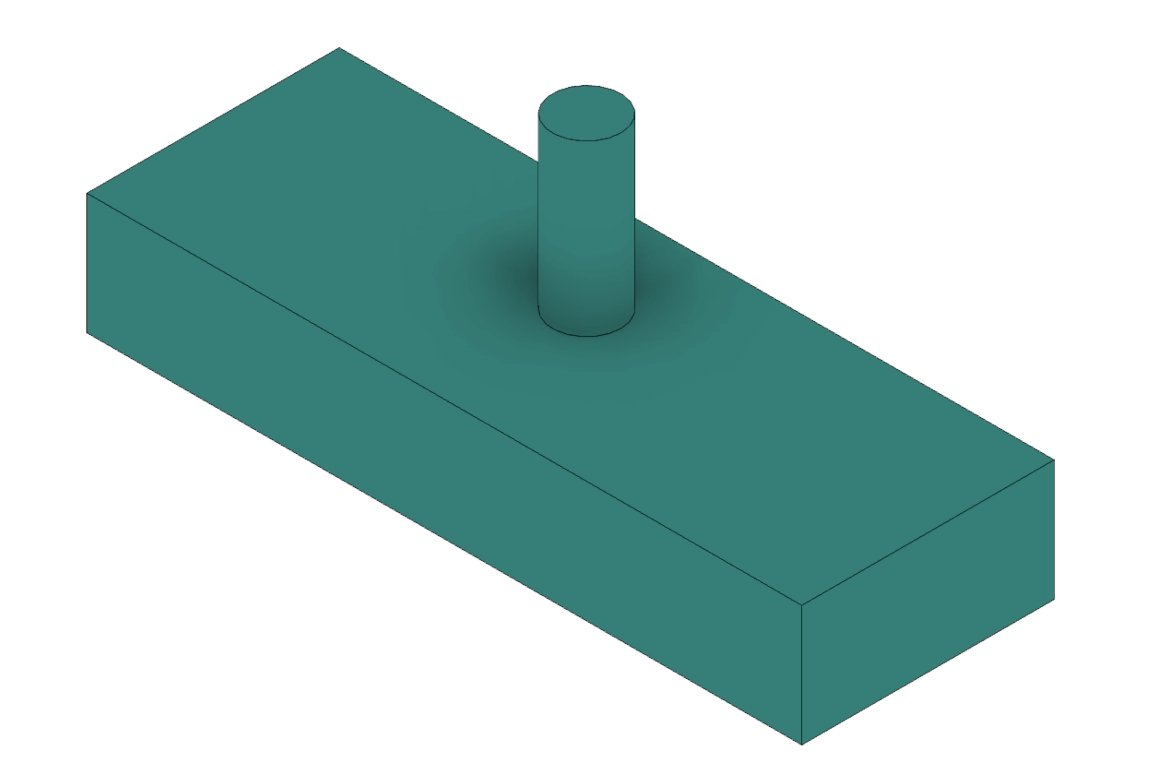
Guideline image for FDM (Fused Deposition Modeling): Min Pin Size

Min Pin Size

3.0 mm diameter

Guideline image for FDM (Fused Deposition Modeling): Max Overhang

Max Overhang

45° without support

Guideline image for FDM (Fused Deposition Modeling): Layer Height

Layer Height

0.2 mm

SLA (Stereolithography)

UV light curing liquid resin technology

Guideline image for SLA (Stereolithography): Min Wall Thickness (Unsupported)

Min Wall Thickness (Unsupported)

0.8 mm

Guideline image for SLA (Stereolithography): Min Wall Thickness (Supported)

Min Wall Thickness (Supported)

0.5 mm

Guideline image for SLA (Stereolithography): Min Feature Size

Min Feature Size

0.15 mm

Guideline image for SLA (Stereolithography): Min Hole Size

Min Hole Size

0.5 mm

Guideline image for SLA (Stereolithography): Tolerances

Tolerances

±0.1 mm

Guideline image for SLA (Stereolithography): Min Letter Size

Min Letter Size

0.4 mm height, 0.2 mm depth

Guideline image for SLA (Stereolithography): Min Pin Size

Min Pin Size

1.0 mm diameter

Guideline image for SLA (Stereolithography): Max Overhang

Max Overhang

19° without support

Guideline image for SLA (Stereolithography): Layer Height

Layer Height

0.1 mm

SLS (Selective Laser Sintering)

Powder-based laser sintering technology

Guideline image for SLS (Selective Laser Sintering): Min Wall Thickness (Unsupported)

Min Wall Thickness (Unsupported)

1.2 mm

Guideline image for SLS (Selective Laser Sintering): Min Wall Thickness (Supported)

Min Wall Thickness (Supported)

0.8 mm

Guideline image for SLS (Selective Laser Sintering): Min Feature Size

Min Feature Size

0.5 mm

Guideline image for SLS (Selective Laser Sintering): Min Hole Size

Min Hole Size

1.0 mm

Guideline image for SLS (Selective Laser Sintering): Tolerances

Tolerances

±0.15 mm

Guideline image for SLS (Selective Laser Sintering): Min Letter Size

Min Letter Size

1.0 mm height, 0.3 mm depth

Guideline image for SLS (Selective Laser Sintering): Min Pin Size

Min Pin Size

2.0 mm diameter

Guideline image for SLS (Selective Laser Sintering): Max Overhang

Max Overhang

No support required

Guideline image for SLS (Selective Laser Sintering): Layer Height

Layer Height

0.12 mm

DLP (Digital Light Processing)

High detail UV light curing liquid resin technology

Guideline image for DLP (Digital Light Processing): Min Wall Thickness (Unsupported)

Min Wall Thickness (Unsupported)

1.2 mm

Guideline image for DLP (Digital Light Processing): Min Wall Thickness (Supported)

Min Wall Thickness (Supported)

0.8 mm

Guideline image for DLP (Digital Light Processing): Min Feature Size

Min Feature Size

0.2 mm

Guideline image for DLP (Digital Light Processing): Min Hole Size

Min Hole Size

0.5 mm

Guideline image for DLP (Digital Light Processing): Tolerances

Tolerances

±0.1 mm

Guideline image for DLP (Digital Light Processing): Min Letter Size

Min Letter Size

0.5 mm height, 0.2 mm depth

Guideline image for DLP (Digital Light Processing): Min Pin Size

Min Pin Size

1.0 mm diameter

Guideline image for DLP (Digital Light Processing): Max Overhang

Max Overhang

35° without support

Guideline image for DLP (Digital Light Processing): Layer Height

Layer Height

0.06 mm

PolyJet

Multi-material photopolymer jetting

Guideline image for PolyJet: Min Wall Thickness (Unsupported)

Min Wall Thickness (Unsupported)

1.2 mm

Guideline image for PolyJet: Min Wall Thickness (Supported)

Min Wall Thickness (Supported)

0.8 mm

Guideline image for PolyJet: Min Feature Size

Min Feature Size

0.1 mm

Guideline image for PolyJet: Min Hole Size

Min Hole Size

0.5 mm

Guideline image for PolyJet: Tolerances

Tolerances

±0.1 mm

Guideline image for PolyJet: Min Letter Size

Min Letter Size

0.3 mm height, 0.1 mm depth

Guideline image for PolyJet: Min Pin Size

Min Pin Size

1.5 mm diameter

Guideline image for PolyJet: Max Overhang

Max Overhang

Support material available

Guideline image for PolyJet: Layer Height

Layer Height

0.016 mm

DMLS (Direct Metal Laser Sintering)

Metal powder laser fusion technology

Guideline image for DMLS (Direct Metal Laser Sintering): Min Wall Thickness (Unsupported)

Min Wall Thickness (Unsupported)

1.2 mm

Guideline image for DMLS (Direct Metal Laser Sintering): Min Wall Thickness (Supported)

Min Wall Thickness (Supported)

0.8 mm

Guideline image for DMLS (Direct Metal Laser Sintering): Min Feature Size

Min Feature Size

0.2 mm

Guideline image for DMLS (Direct Metal Laser Sintering): Min Hole Size

Min Hole Size

0.5 mm

Guideline image for DMLS (Direct Metal Laser Sintering): Tolerances

Tolerances

±0.1 mm

Guideline image for DMLS (Direct Metal Laser Sintering): Min Letter Size

Min Letter Size

0.5 mm height, 0.2 mm depth

Guideline image for DMLS (Direct Metal Laser Sintering): Min Pin Size

Min Pin Size

1.0 mm diameter

Guideline image for DMLS (Direct Metal Laser Sintering): Max Overhang

Max Overhang

35° without support

Guideline image for DMLS (Direct Metal Laser Sintering): Layer Height

Layer Height

0.06 mm

General Design Tips

  • Design parts with consistent wall thickness when possible
  • Avoid sharp internal corners - use fillets with minimum 0.5mm radius
  • Consider the printing orientation to minimize support requirements
  • Add draft angles (1-2°) to vertical walls for better surface finish
  • Ensure adequate clearance between moving parts
  • Design with post-processing requirements in mind

File Format Guidelines

STL

Standard mesh file format. Requires high quality export in order to build high quality parts

3MF

Preferred, 3d-printing specific mesh format, capable of holding additional information

OBJ

Best choice for full color parts if supplied alongside .mtl file.

STEP/STP

CAD format for complex geometries and precise features. Recommended for items requiring tight tolerances

Important Considerations

Before Uploading

  • • Check your model for non-manifold edges
  • • Ensure proper mesh resolution
  • • Verify correct units (mm preferred)
  • • Remove internal geometry and hidden surfaces

Post-Processing

  • • Consider support removal requirements
  • • Plan for surface finishing needs
  • • Account for dimensional changes
  • • Factor in assembly and fit tolerances

Need Design Assistance?

Our technical team can review your designs and provide optimization recommendations. Contact us for design consultation and feasibility analysis.

📧 support@rapadd.com📞 +46 8 774 78 88⏰ Mon-Fri: 8:00-18:00 CET

Cookie Settings

We use cookies to enhance your experience, analyze site traffic, and personalize content. You can choose which cookies to allow below.