

SLA 3D Printing Service
High-precision resin printing for detailed prototypes
About SLA 3D printing
Stereolithography (SLA) provides exceptionally accurate prints from a wide range of materials, from prototyping plastics to ceramic-infused, metal-replacing polymers. By curing photopolymer resin with UV light in very thin layers, SLA builds highly detailed parts quickly, enabling true mass production with 3D printing. Whether you need 20,000 small items or a single part that's two meters long, RapAdd MFG has a solution for you.
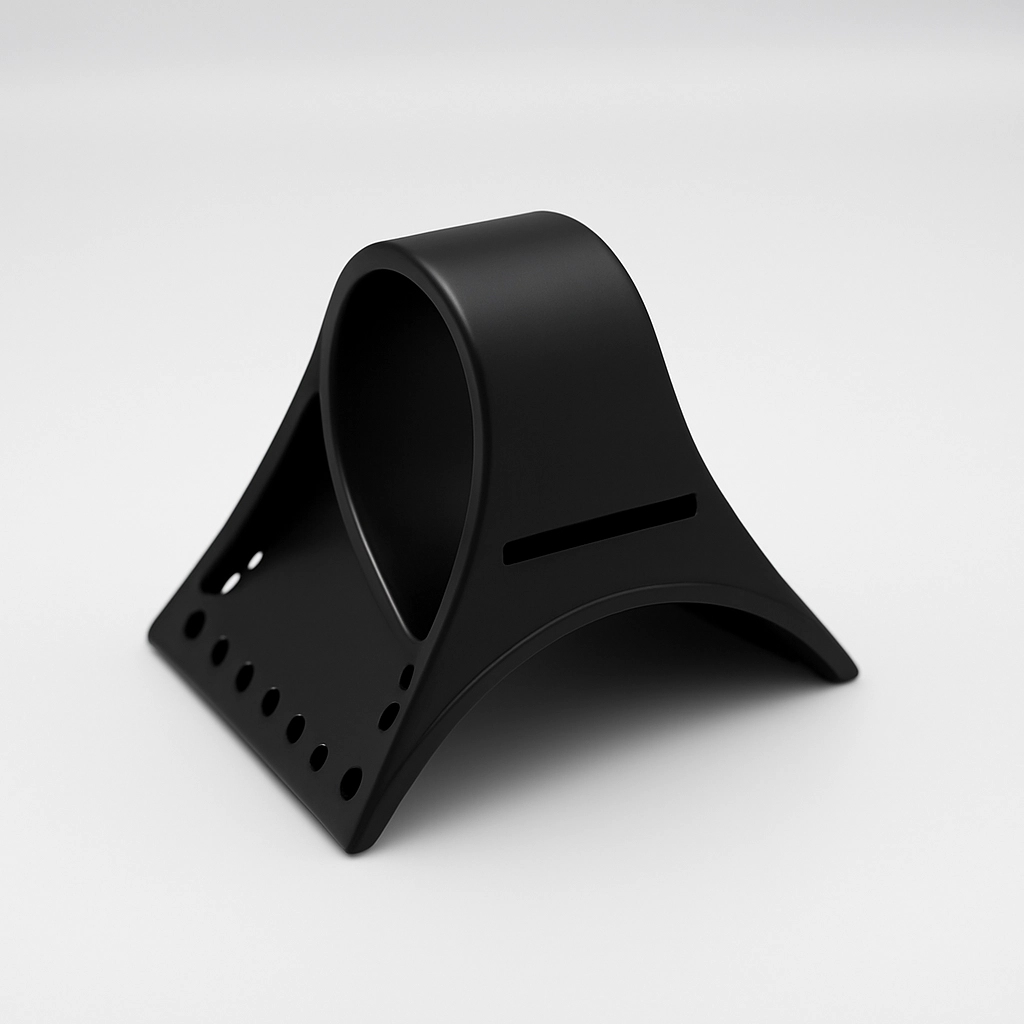
Sample Applications
Modelmaking
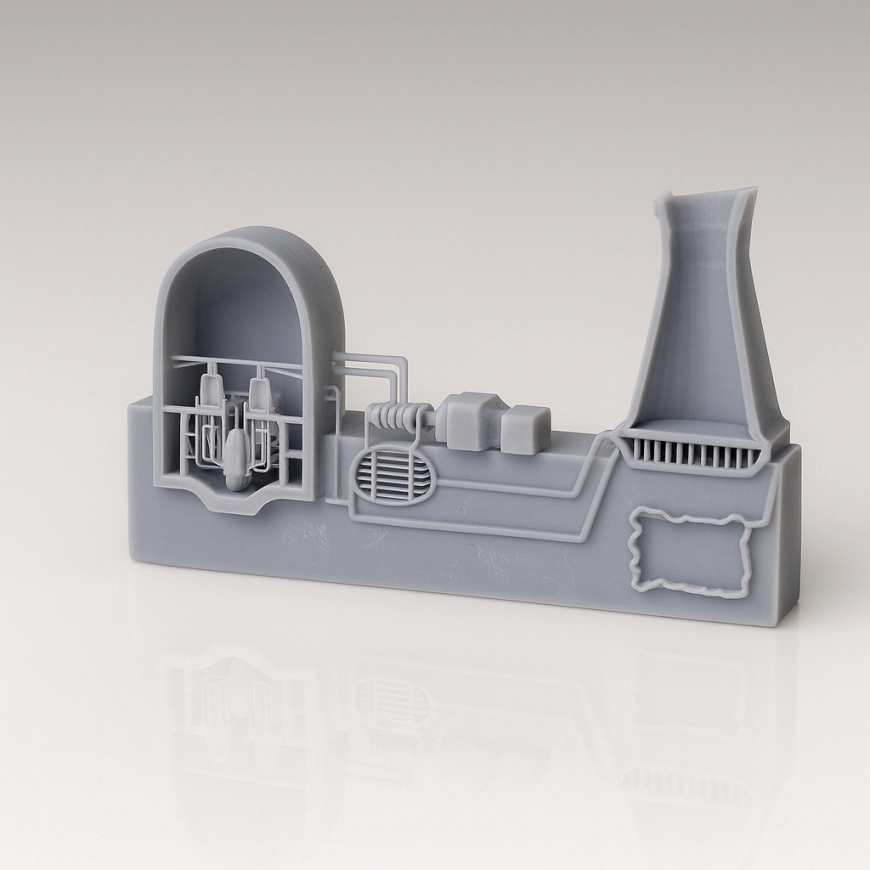
Quickly produce highly detailed models of almost anything, ready to be shown to the world in mere days.
Pre-production prototypes
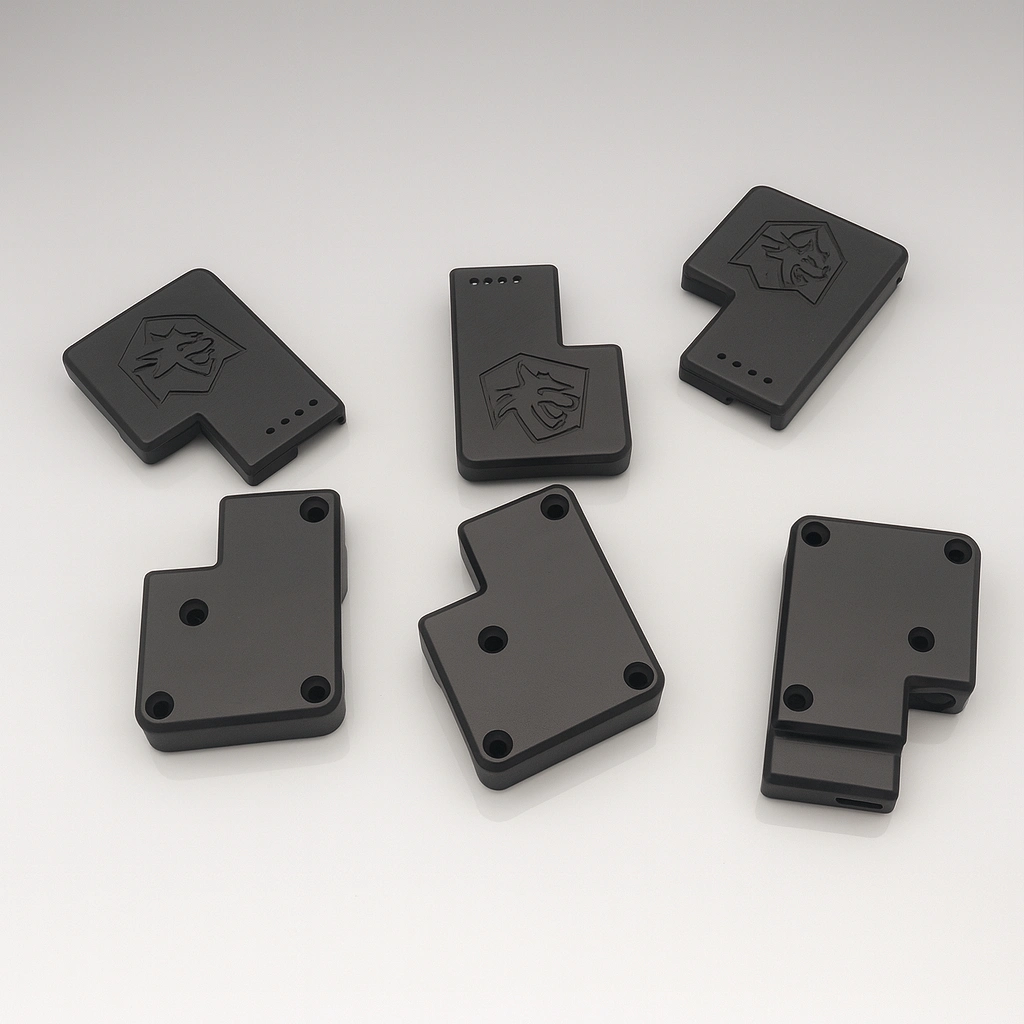
With SLA it is possible to produce items with the same finish as if they just came out of the injection mold. Whether you'll be printing your production run or use another technology, this is the ideal stepping-stone to high-volume manufacturing.
Consumer Goods
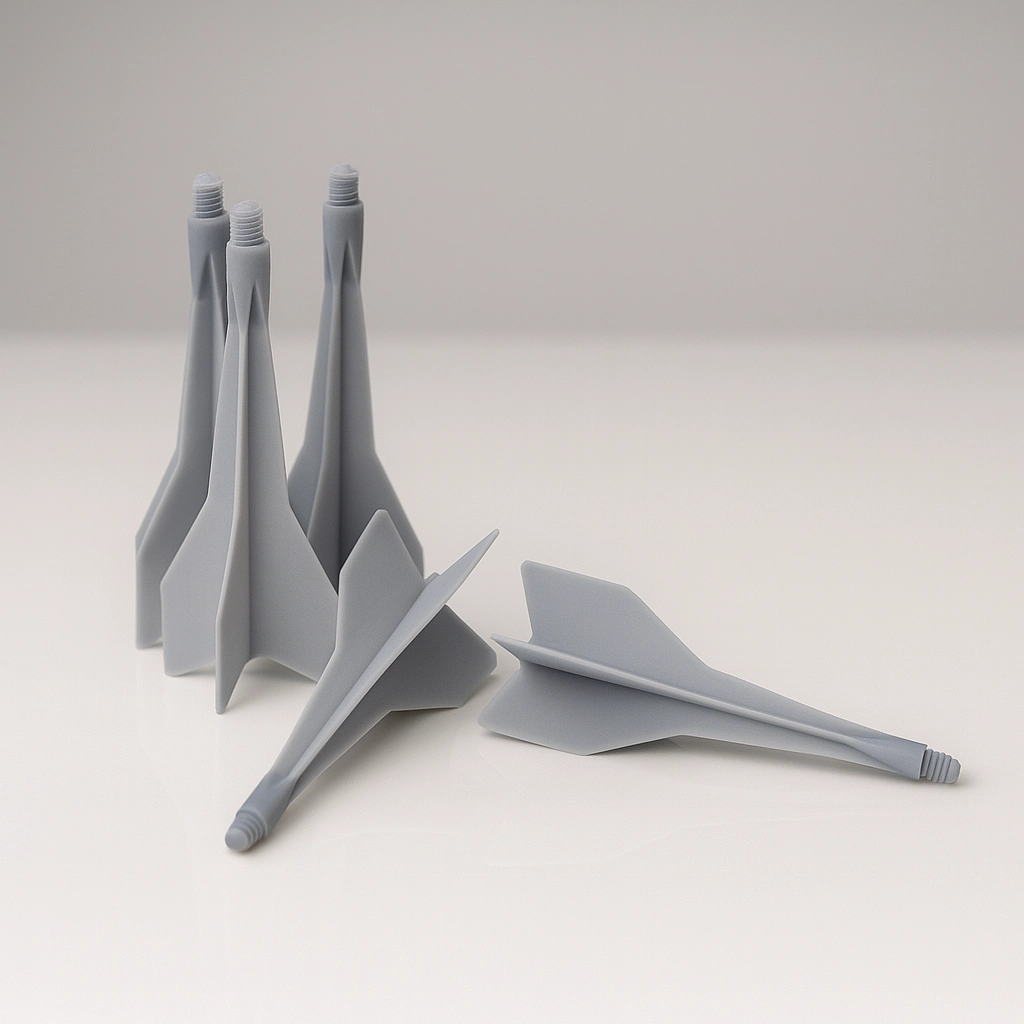
Thanks to the exceptional surface finish of SLA printed items, it is a perfect technology to directly produce consumer-facing goods in large quantities without any upfront tooling charges.
Automated Production Workflow
Fully Automated Production Pipeline
File preparation
Automatic printing
Washing
UV curing
Post processing
Quality control
Advantages & Limitations
Advantages
- Excellent surface finish
- High detail resolution
- Smooth surfaces
Limitations
- Limited material options
- More expensive materials compared to FDM
- Some materials can be brittle
Available Materials
Loading materials...
Sample Prints
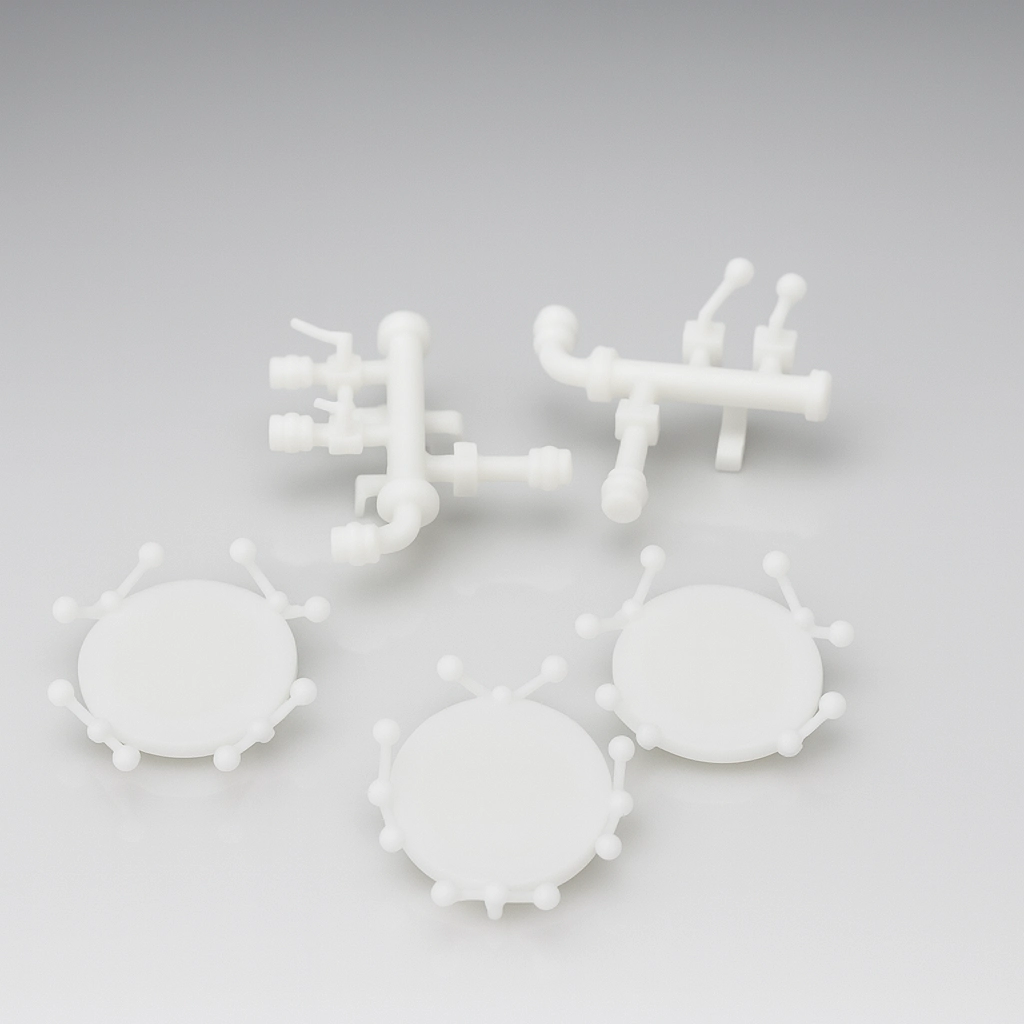
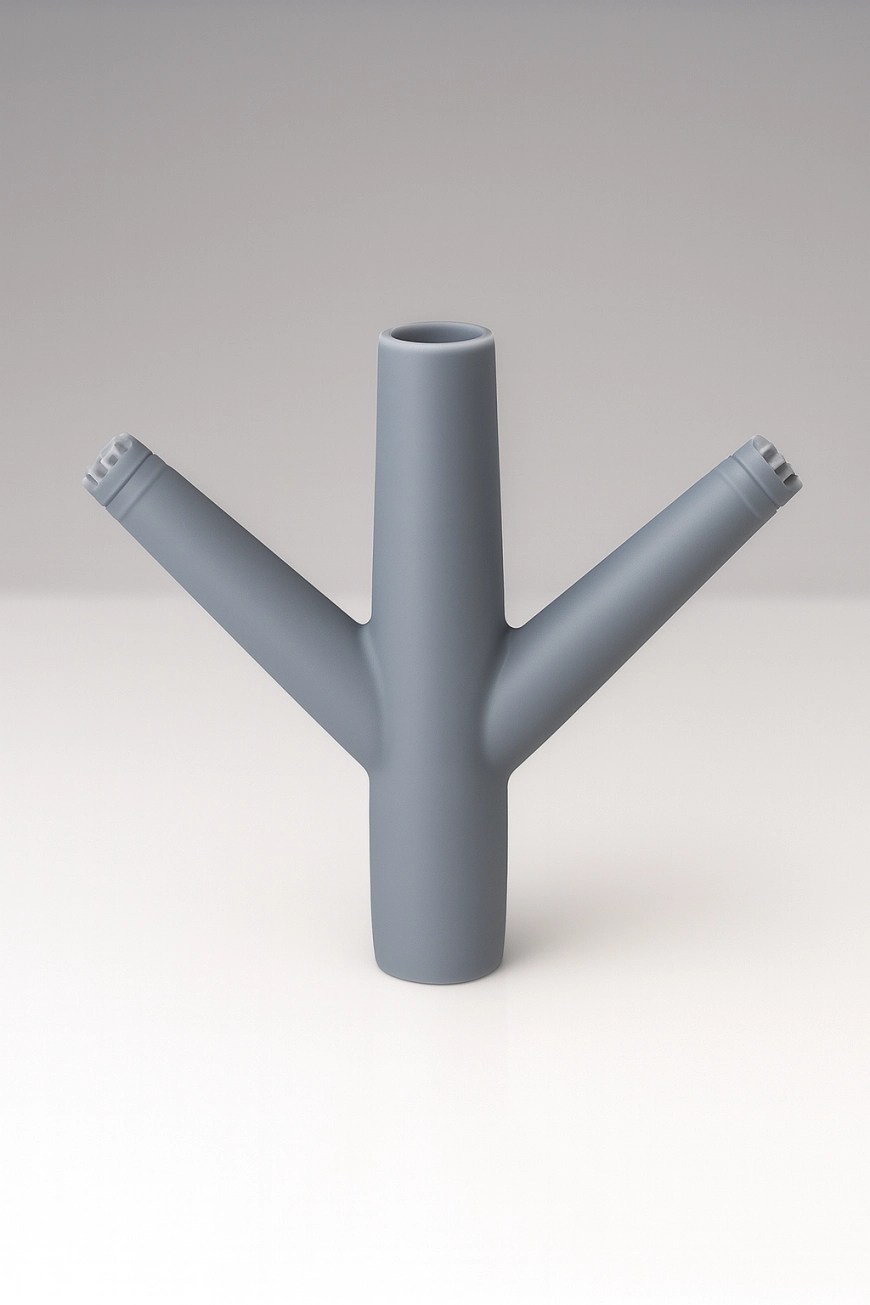
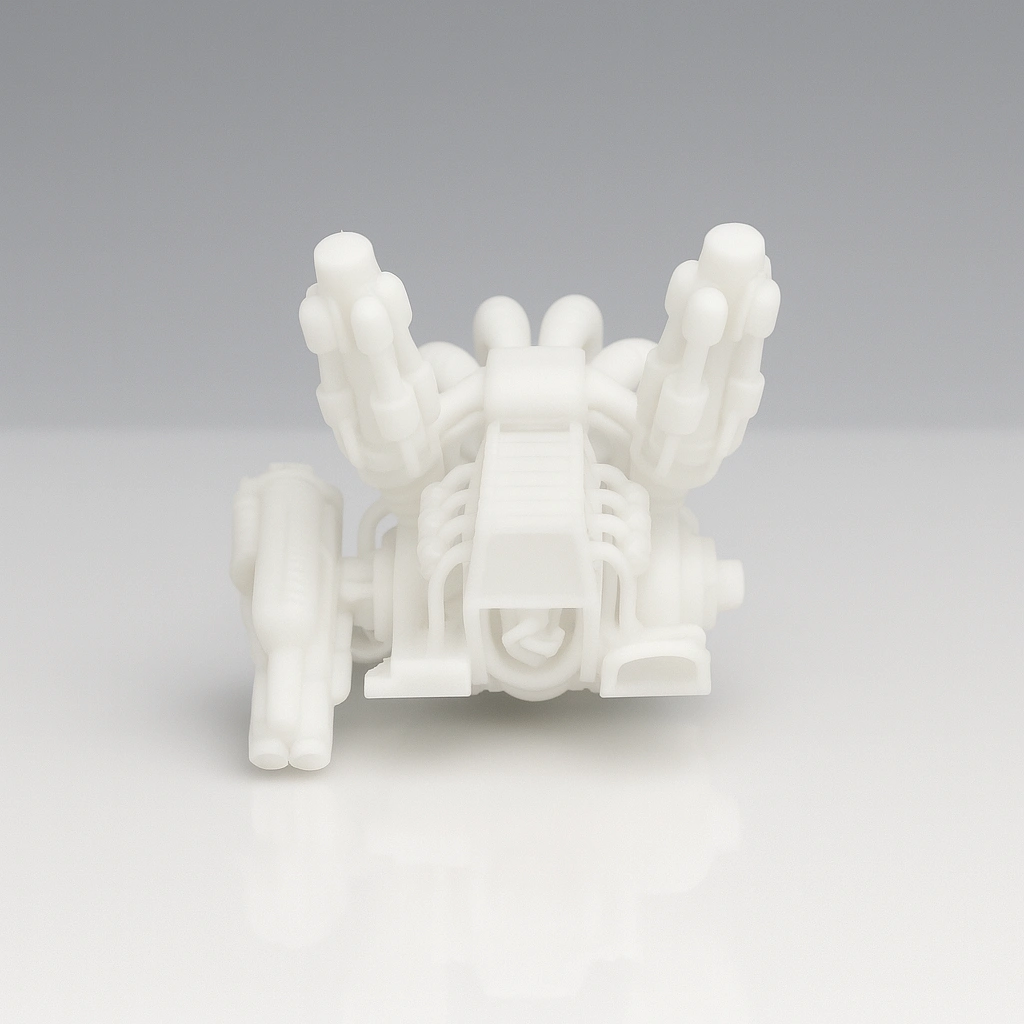
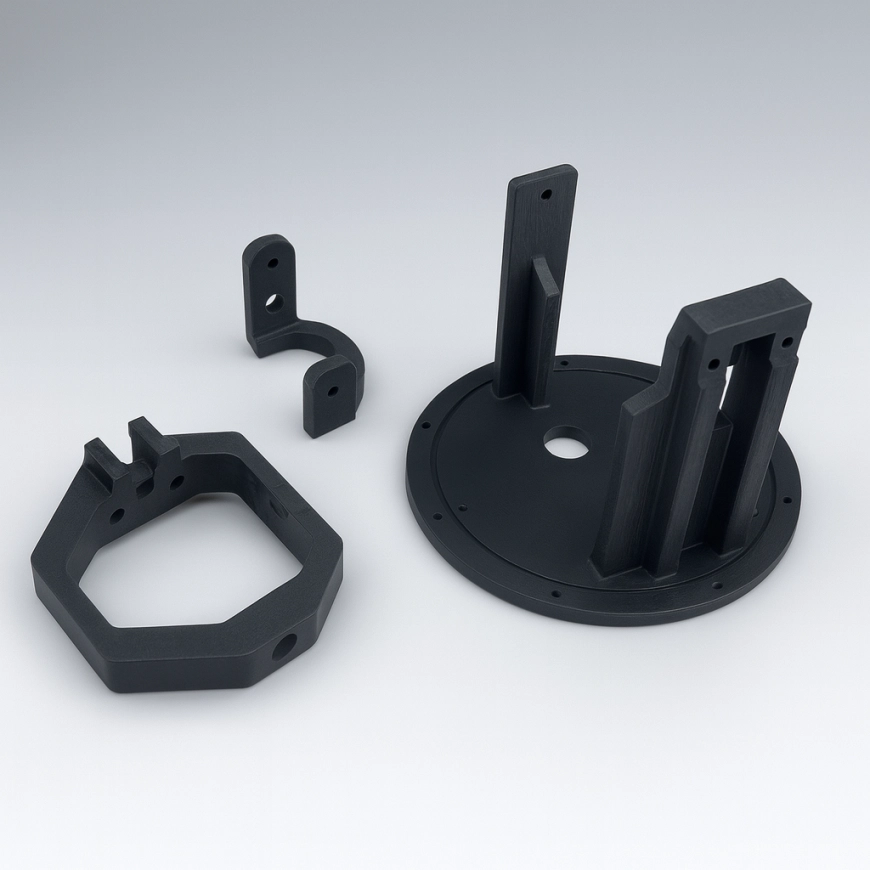
Design Guidelines
SLA (Stereolithography)
UV light curing liquid resin technology
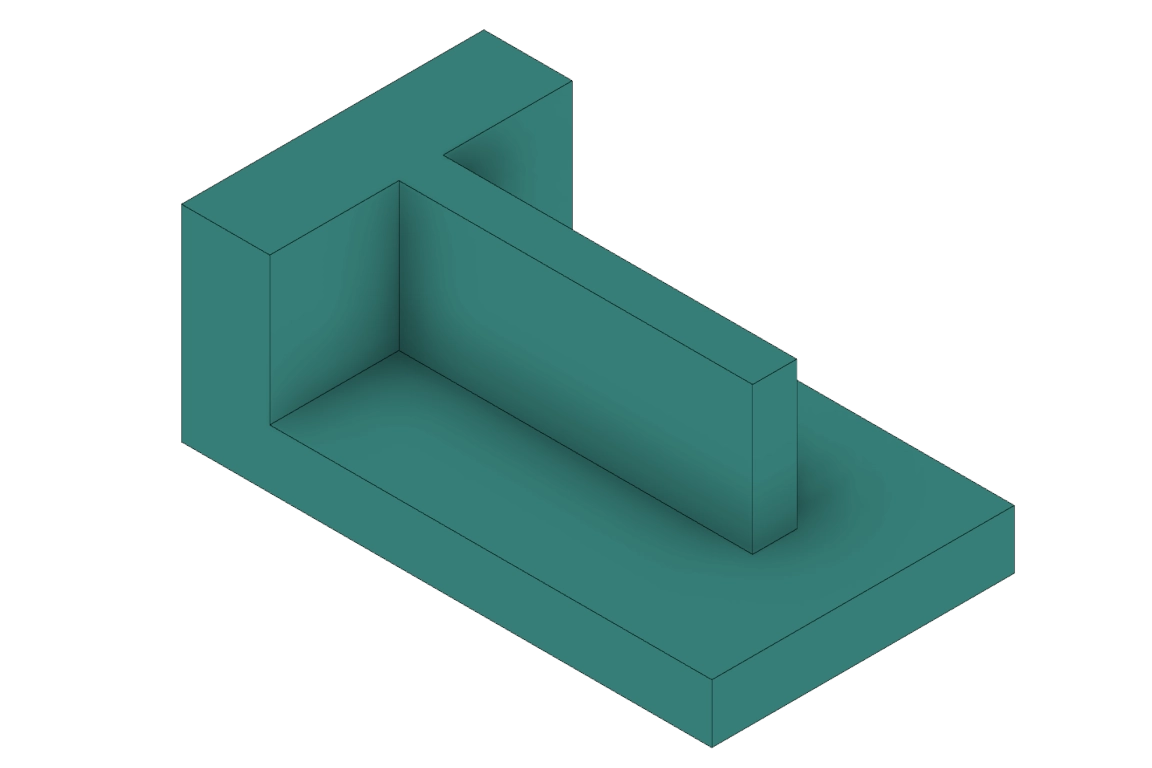
Min Wall Thickness (Unsupported)
0.8 mm
Min Wall Thickness (Supported)
0.5 mm
Min Feature Size
0.15 mm
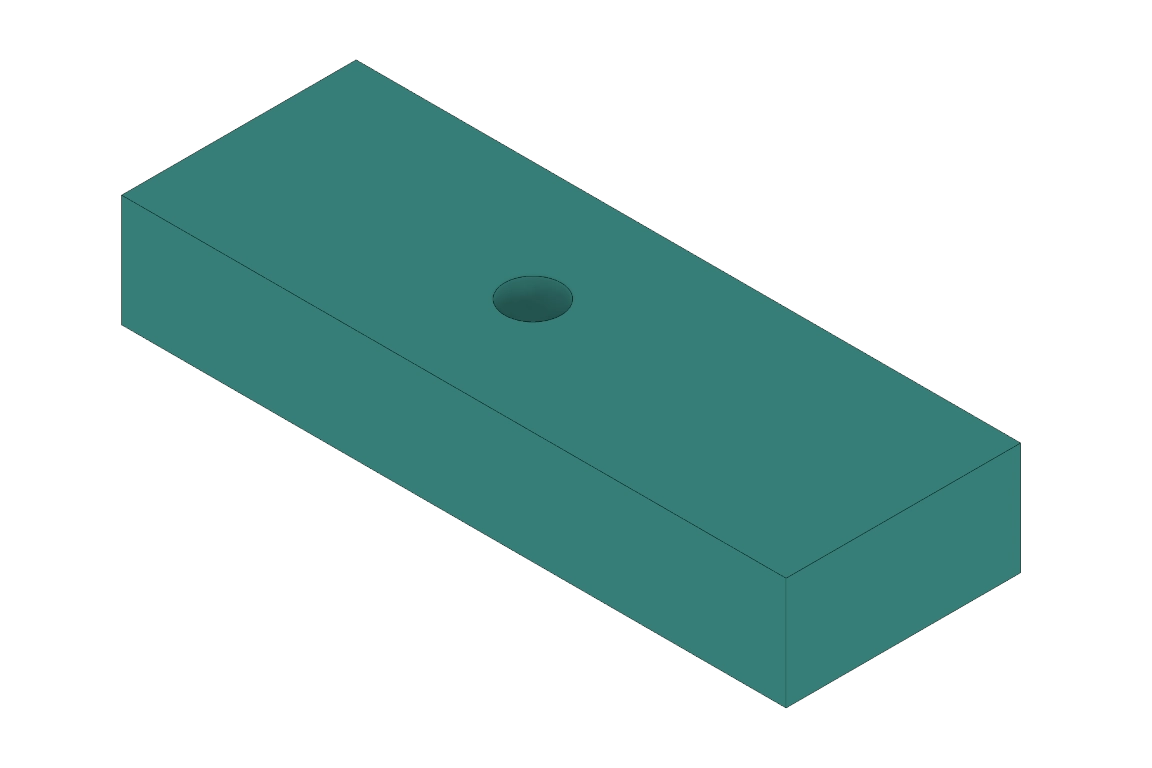
Min Hole Size
0.5 mm
Tolerances
±0.1 mm
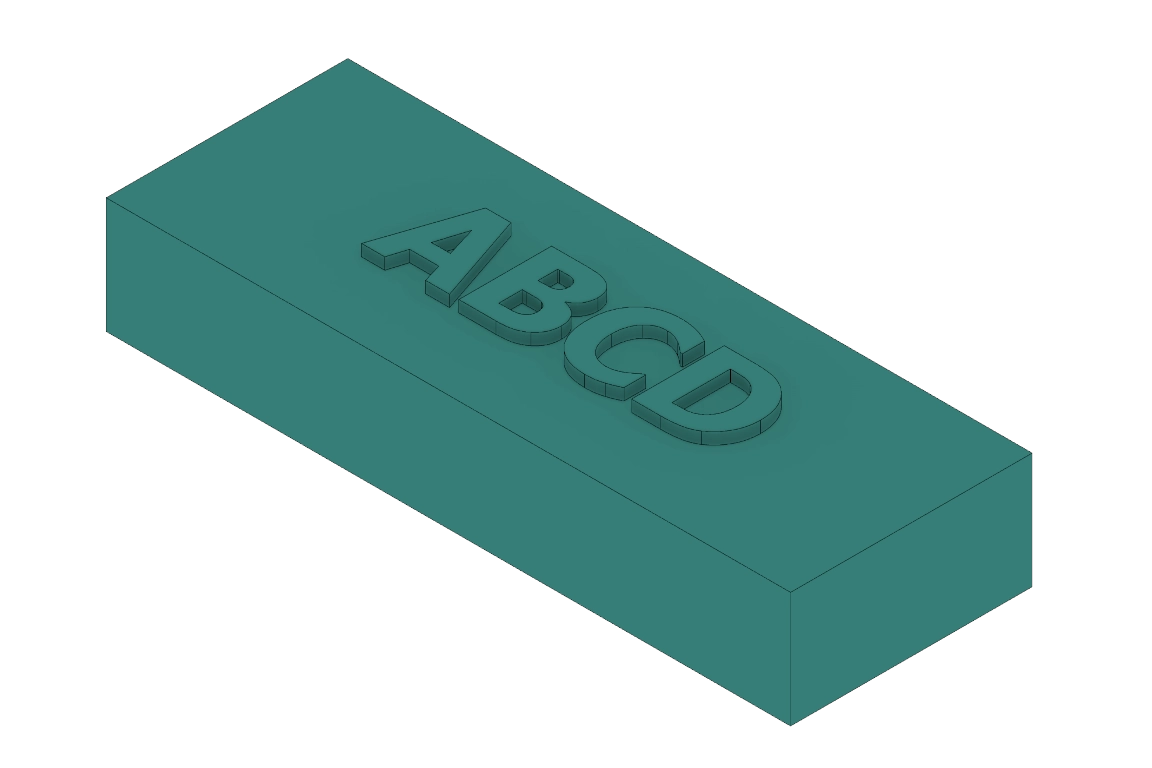
Min Letter Size
0.4 mm height, 0.2 mm depth
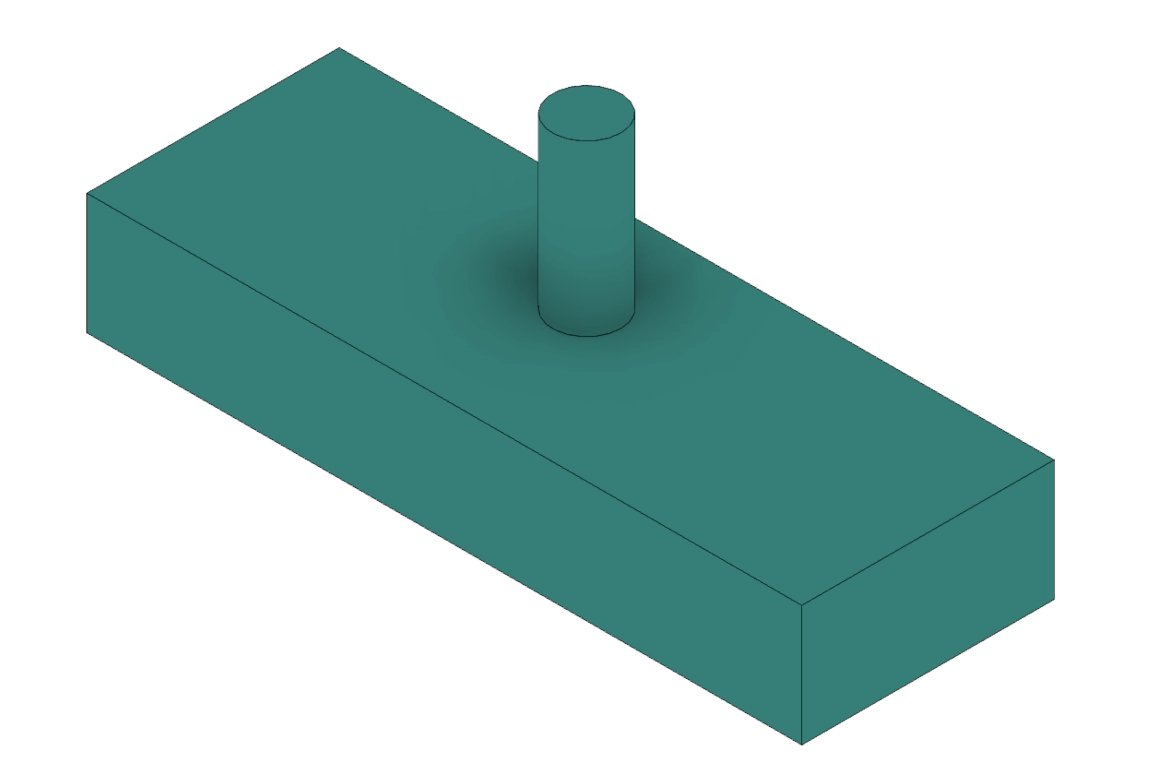
Min Pin Size
1.0 mm diameter

Max Overhang
19° without support
Layer Height
0.1 mm
Technology Comparison
Compare our additive manufacturing technologies across key performance metrics to choose the best solution for your project requirements.
Technology Performance Matrix
| Criteria | FDM | SLA | DLP | SLS | Polyjet | DMLS/SLM |
|---|---|---|---|---|---|---|
| Cost per Part | $ | $$ | $$$ | $$ | $$$$ | $$$$$ |
| Surface Quality | Good | Excellent | Excellent | Very Good | Excellent | Excellent |
| Accuracy | ±0.3mm | ±0.15mm | ±0.1mm | ±0.2mm | ±0.1mm | ±0.15mm |
| Material Variety | Very High | Medium | High | Medium | High | Limited |
| Build Volume | Large | Very Large | Small | Medium | Medium | Small |
| Support Required | Yes | Yes | Yes | No | Yes | Yes |
| Post-Processing | Minimal | Moderate | Moderate | Moderate | Moderate | Extensive |
| Multi-Material | Limited | No | No | No | Yes | No |
Ready to Start Your Project?
Upload your files now for instant pricing across all our technologies, or speak with our engineering team for a custom consultation.
Questions about which technology is right for your project?Contact our technical team