
DLP 3D Printing Service
Digital Light Processing of UV-curable resins
About DLP 3D printing
Digital Light Processing (DLP) produces exceptionally high-quality parts across a wide range of materials. In RapAdd MFG's material portfolio we have over 30 different materials, where many can be had in any NCS or RAL color on demand. The materials range in properties from simple, ABS-like materials to high-performing polymers like PEEK, ESD-safe materials, USP-VI certified resins, or UL 94-V0 rated options. Due to the efficiency of RapAdd's automated production process, DLP is a fantastic way to produce large quantities of high-quality items within mere days.
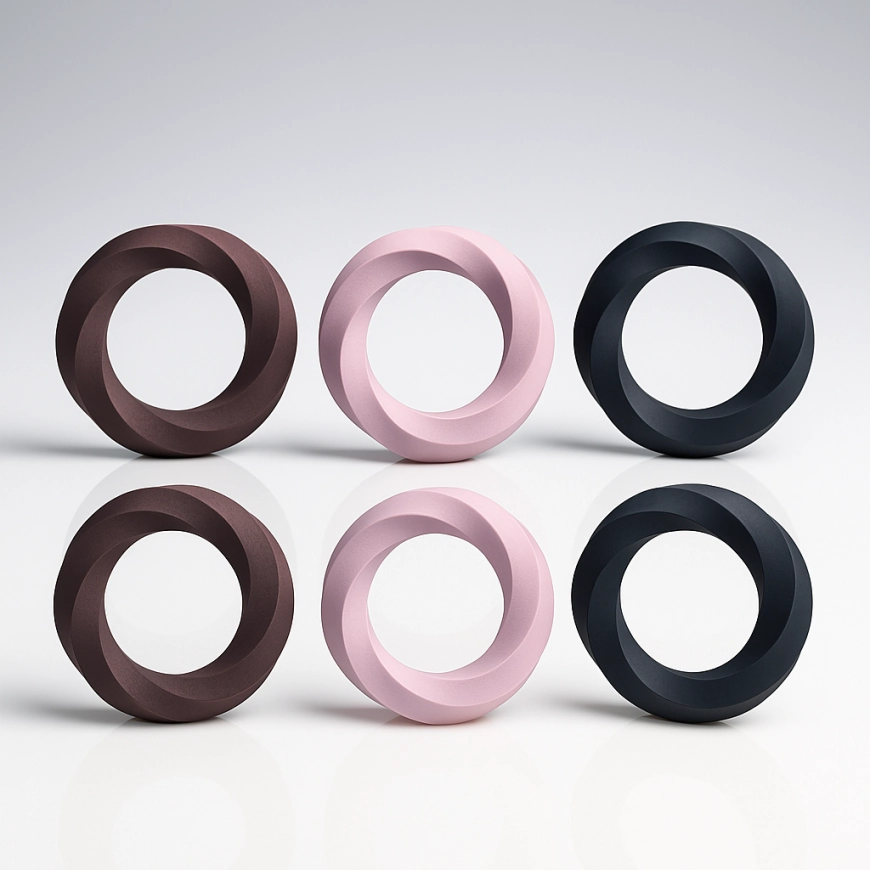
Sample Applications
Compressor impeller
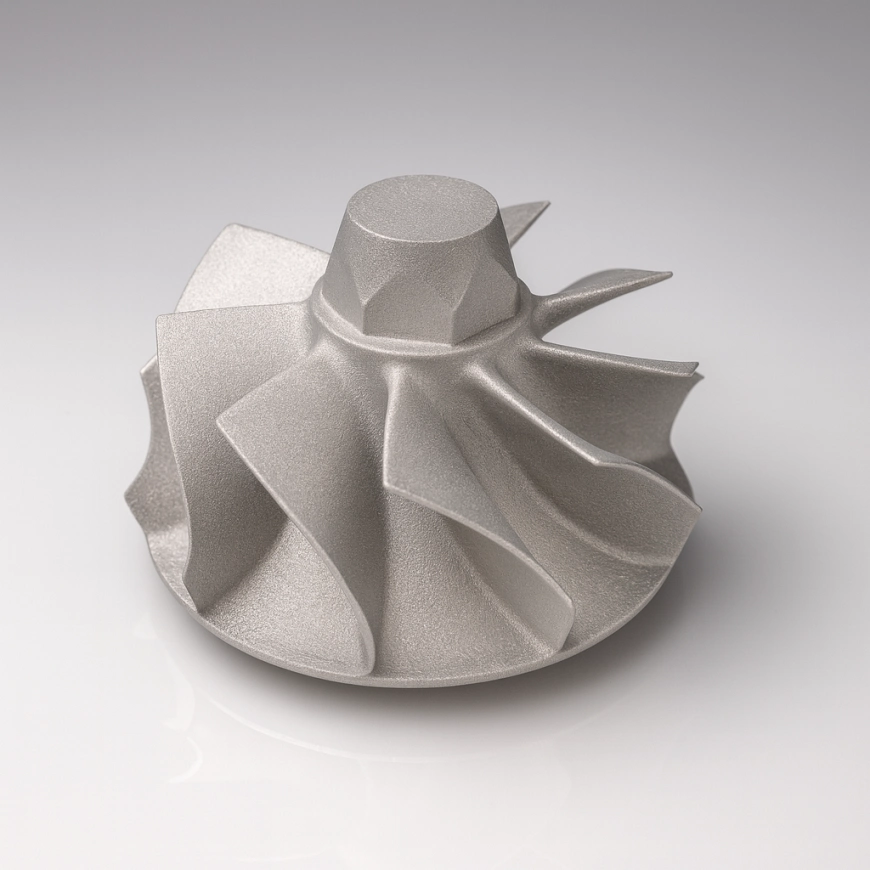
Due to the complex geometries achievable through DMLS it is possible to both save weight and costs compared to producing items with traditional methods.
Component enclosure
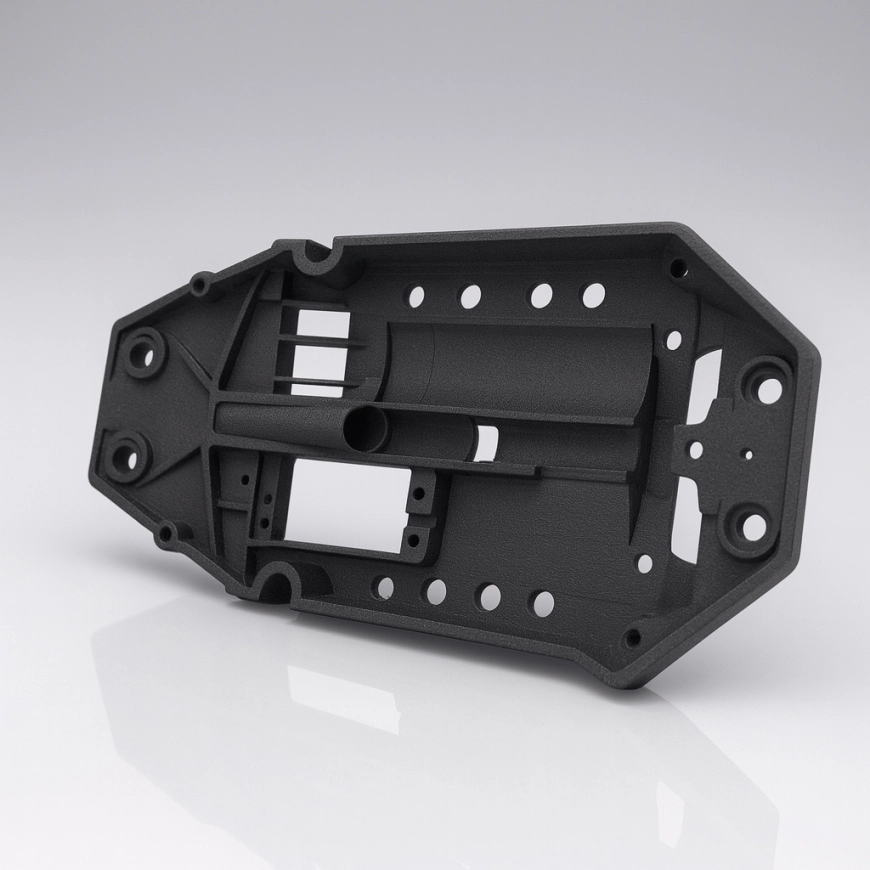
Thanks to the high surface quality of SLS printed items, especially after our post-processing steps, it is possible to directly produce large quantities of end-use items ready to send to consumers.
Beverage Nozzle
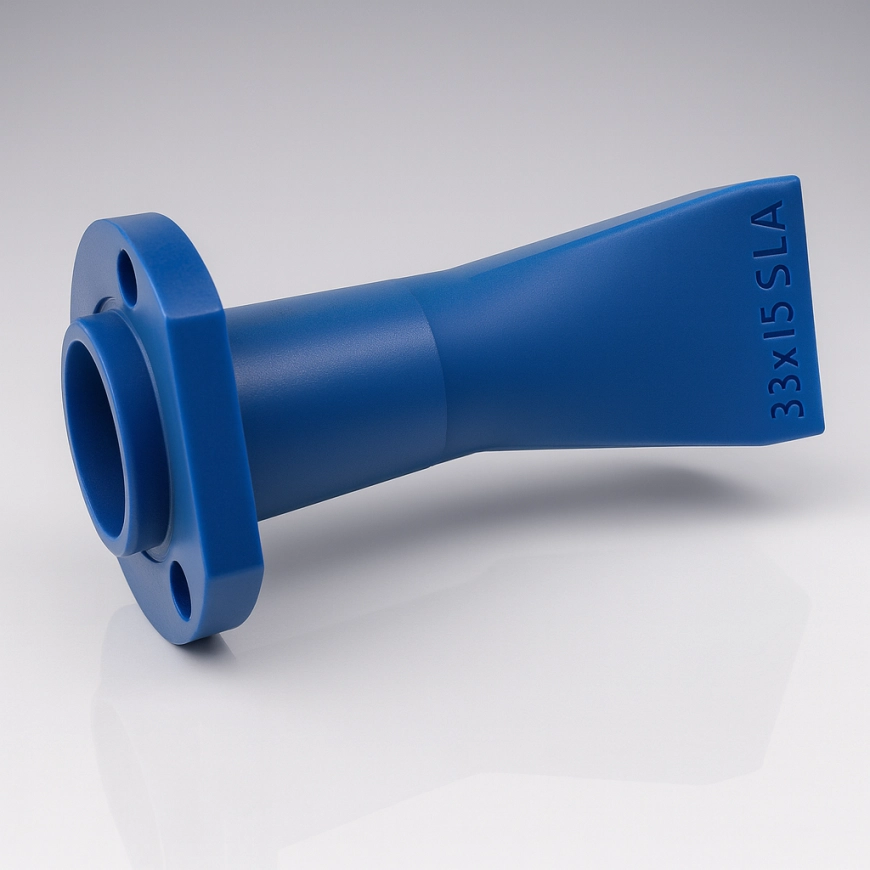
RapAdd MFG provides PA12 grades that are safe for contact with wet foods. Approved by the FDA and European counterparts, these can be used to produce components directly related to the food industry.
Automated Production Workflow
Fully Automated Production Pipeline
File preparation
Automatic printing
Washing
UV curing
Post processing
Quality control
Advantages & Limitations
Advantages
- Wide range of material and color options
- Exceptional part quality
- Smooth surfaces
- High detail resolution
Limitations
- High material cost
- Some materials are relatively brittle
- Certain polymers will yellow under UV exposure
Available Materials
Loading materials...
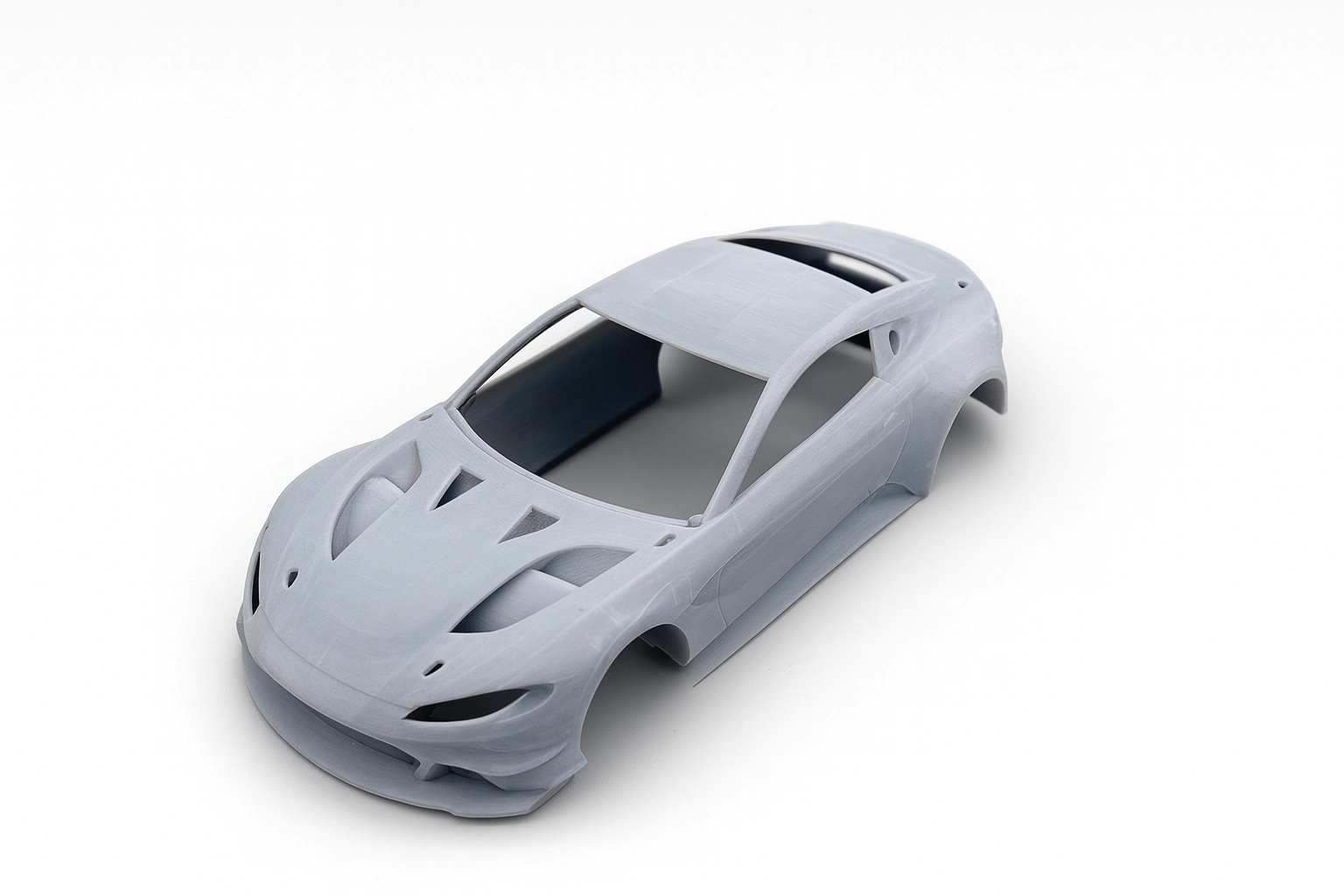
Sample Prints
Design Guidelines
DLP (Digital Light Processing)
High detail UV light curing liquid resin technology
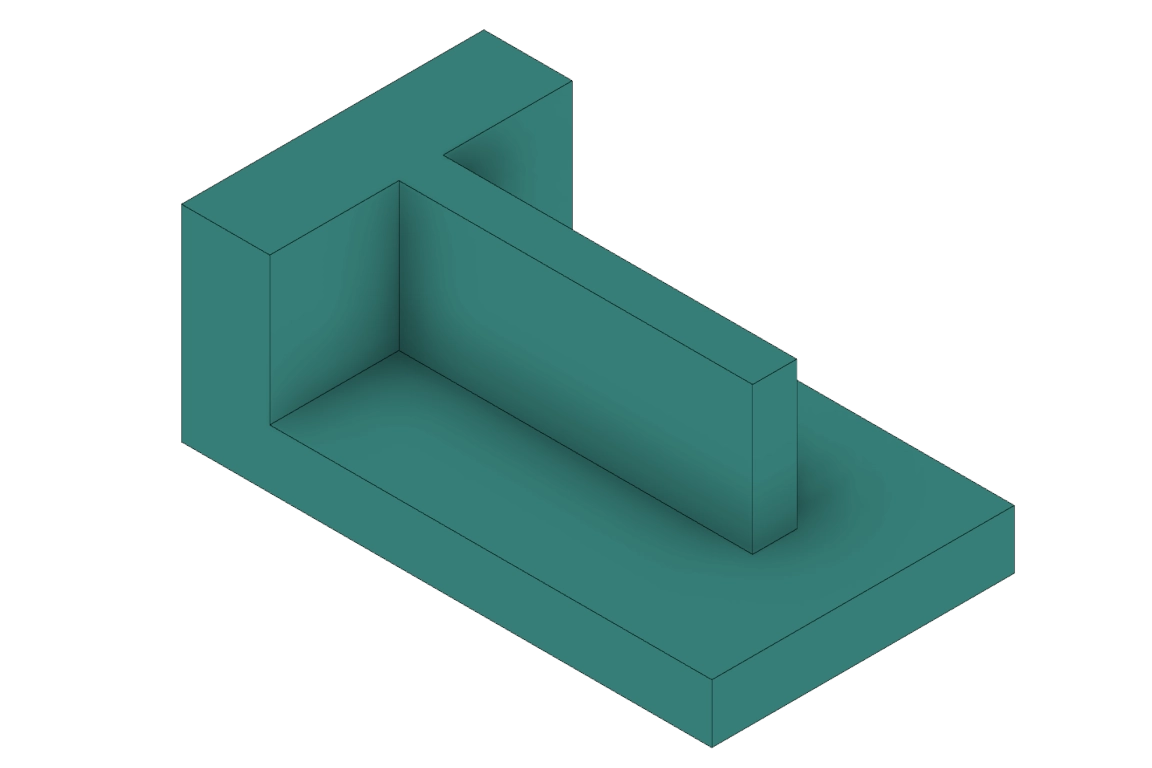
Min Wall Thickness (Unsupported)
1.2 mm
Min Wall Thickness (Supported)
0.8 mm
Min Feature Size
0.2 mm
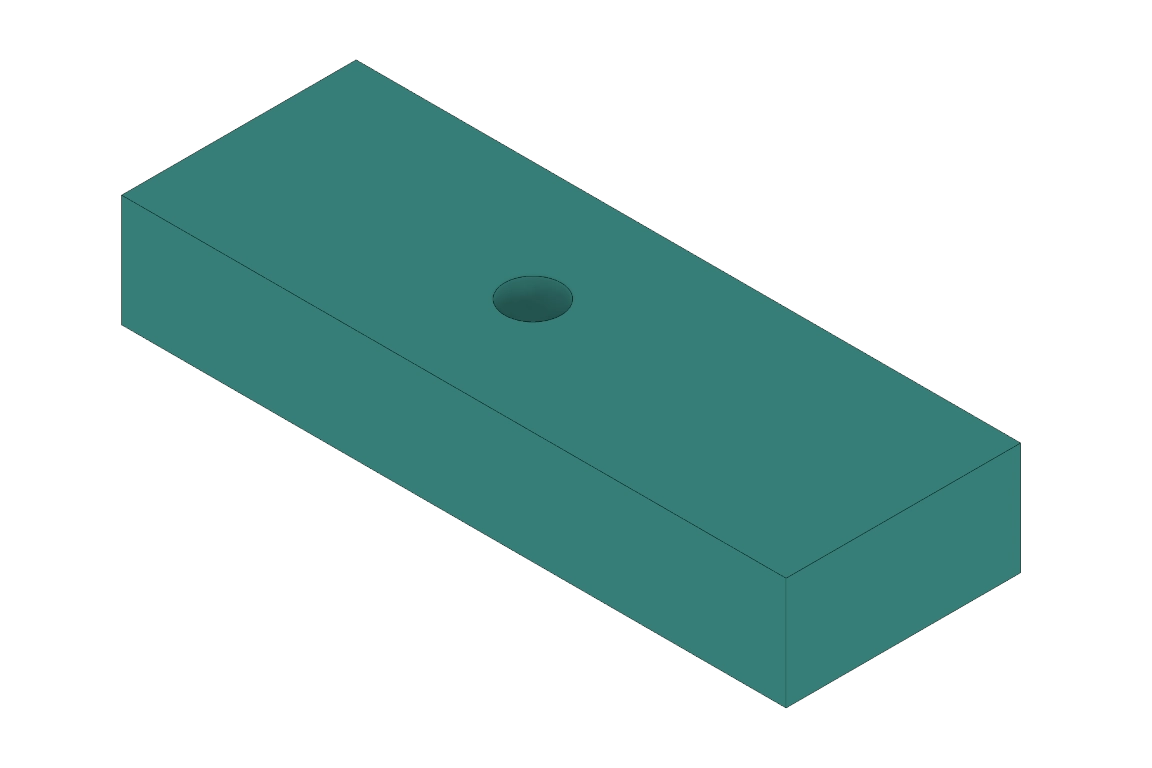
Min Hole Size
0.5 mm
Tolerances
±0.1 mm
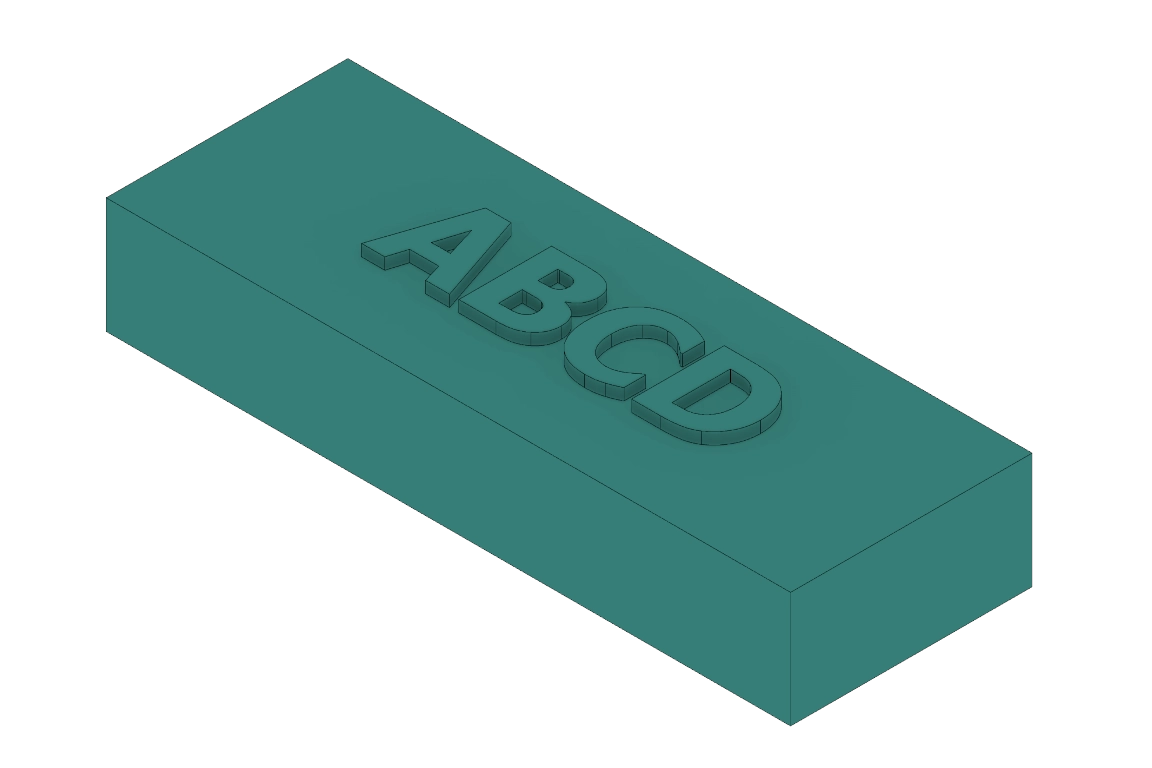
Min Letter Size
0.5 mm height, 0.2 mm depth
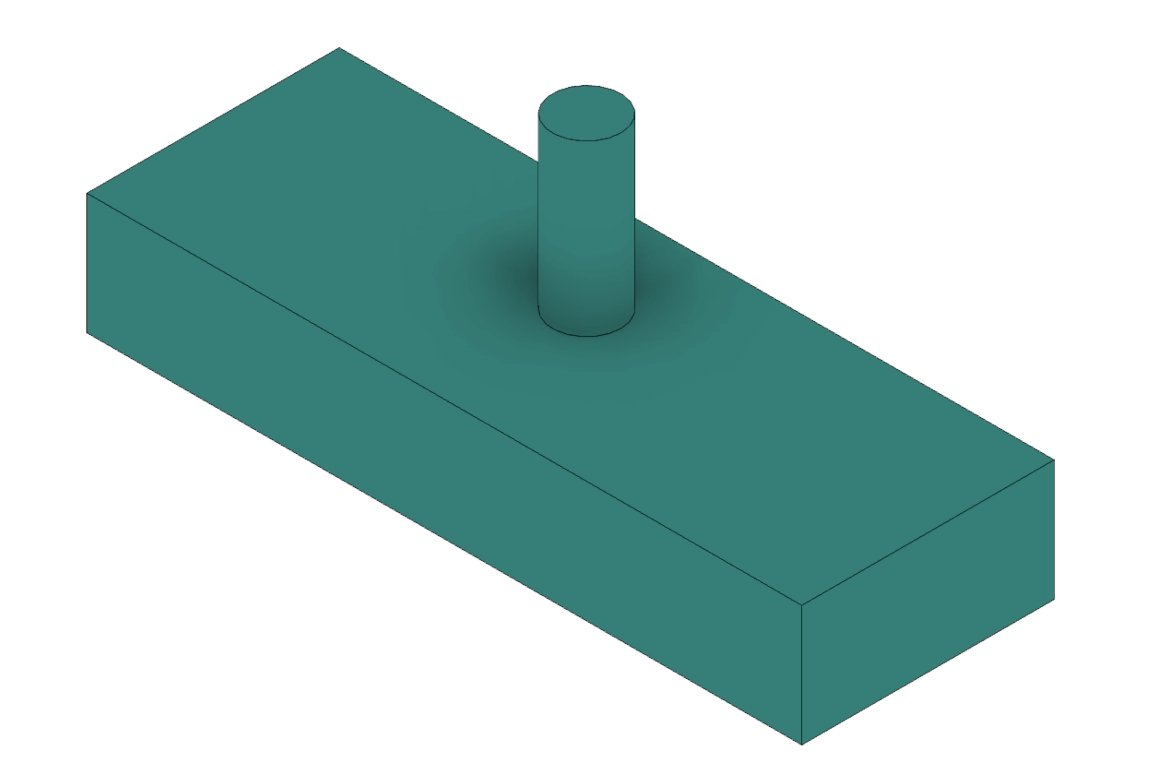
Min Pin Size
1.0 mm diameter

Max Overhang
35° without support
Layer Height
0.06 mm
Technology Comparison
Compare our additive manufacturing technologies across key performance metrics to choose the best solution for your project requirements.
Technology Performance Matrix
| Criteria | FDM | SLA | DLP | SLS | Polyjet | DMLS/SLM |
|---|---|---|---|---|---|---|
| Cost per Part | $ | $$ | $$$ | $$ | $$$$ | $$$$$ |
| Surface Quality | Good | Excellent | Excellent | Very Good | Excellent | Excellent |
| Accuracy | ±0.3mm | ±0.15mm | ±0.1mm | ±0.2mm | ±0.1mm | ±0.15mm |
| Material Variety | Very High | Medium | High | Medium | High | Limited |
| Build Volume | Large | Very Large | Small | Medium | Medium | Small |
| Support Required | Yes | Yes | Yes | No | Yes | Yes |
| Post-Processing | Minimal | Moderate | Moderate | Moderate | Moderate | Extensive |
| Multi-Material | Limited | No | No | No | Yes | No |
Ready to Start Your Project?
Upload your files now for instant pricing across all our technologies, or speak with our engineering team for a custom consultation.
Questions about which technology is right for your project?Contact our technical team